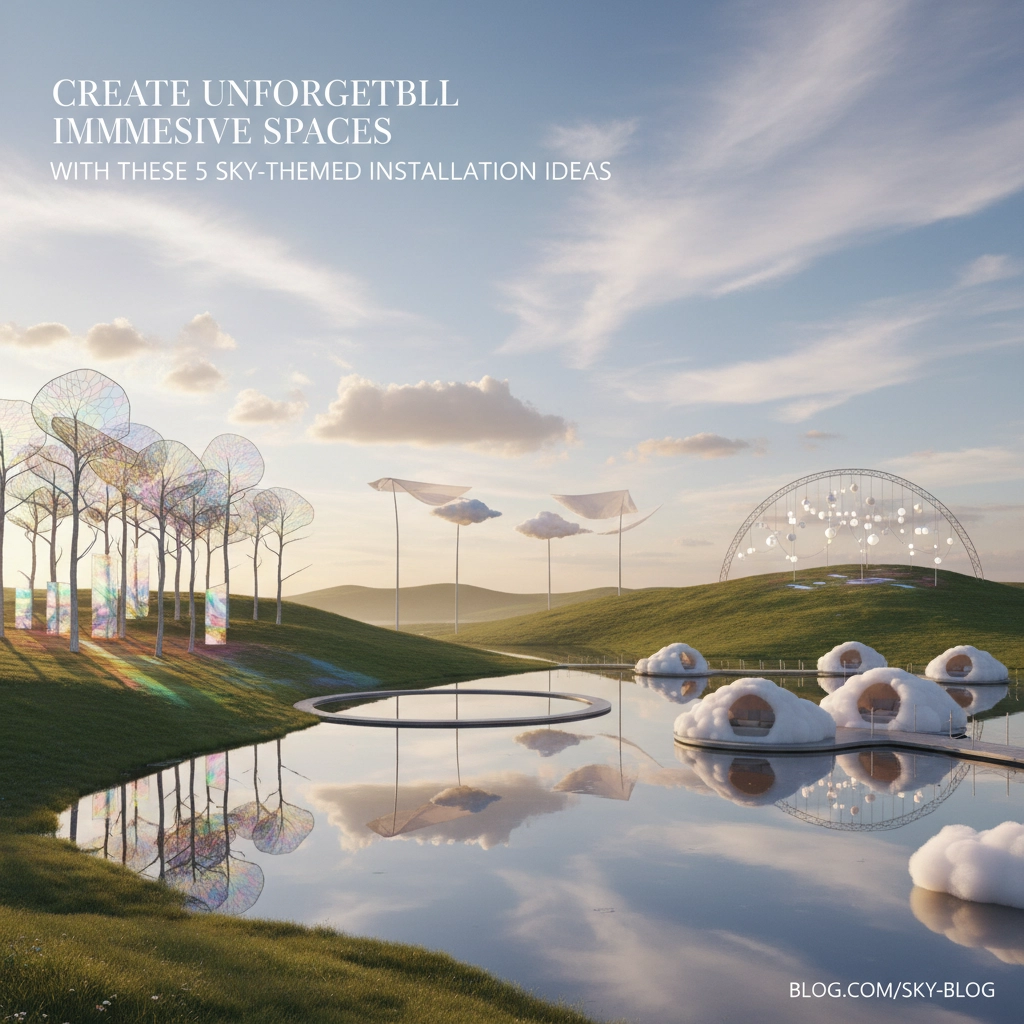
Create Unforgettable Immersive Spaces with These 5 Sky-Themed Installation Ideas
Most people think creating memorable spaces requires massive budgets and complex equipment… until they discover these five sky-themed installation ideas that transform ordinary venues into extraordinary cosmic experiences.
Whether you're designing for a corporate event, retail space, or special celebration, sky-themed installations offer unlimited creative potential. These immersive environments don't just decorate a space: they transport visitors into otherworldly realms that spark wonder and create lasting memories.
1. Galaxy Projection Environment
Transform your entire venue into a living, breathing cosmos with dynamic projection technology. This installation creates the ultimate immersive experience by turning walls and ceilings into moving galaxies.
Start with LED star cloths as your foundation, then layer moving galaxy projections across all surfaces. The key is creating depth through multiple projection layers: use one projector for slow-moving nebulae on the walls, and another for twinkling stars on the ceiling. Add fog effects strategically around the perimeter to soften edges and create mysterious depth.

For enhanced atmosphere, incorporate UV lighting that makes certain elements glow with an otherworldly luminescence. This technique works particularly well when combined with UV-reactive materials in your decor. The fog interacts beautifully with the UV light, creating ethereal pathways through your space.
The magic happens when these elements work together. Guests find themselves standing within a galaxy that shifts and evolves around them. The gentle movement of projections prevents the installation from feeling static, while the fog adds a sensory element that makes the experience feel tangible.
2. Suspended Celestial Garden
Create a three-dimensional sky world by building layers of hanging elements at varying heights. This installation brings the vastness of space down to human scale, allowing guests to walk through a suspended cosmos.
Begin with large planet orbs in different sizes, suspended at various heights to create natural walking paths below. Complement these with smaller glittering stars, metallic confetti streams, and delicate cloud formations made from lightweight materials. The key is varying the heights: some elements should hang low enough to create intimate spaces, while others soar overhead.
Add movement with gentle air circulation that makes lighter elements sway subtly. This creates the illusion of floating through space. Incorporate LED lighting within translucent orbs to make planets glow from within, and use metallic elements strategically to catch and reflect ambient light throughout the space.

The layered approach creates multiple discovery moments as guests move through the installation. From different vantage points, new compositions emerge, making the space feel larger and more dynamic than its actual dimensions.
3. Interactive Constellation Walls
Design educational yet mesmerizing wall installations that serve as both art and conversation starters. These installations work especially well as photo backdrops while providing engaging content for guests.
Start with a deep midnight blue or black backdrop: either painted walls or large fabric panels. Map out major constellations using LED strip lights or individual LED points. The key is accuracy combined with dramatic scale: make constellations larger than life so they read clearly from a distance.
Layer in removable metallic decals for smaller stars and add sculptural elements that extend from the wall to create dimension. Use gobo lights to project additional constellation patterns onto the floor in front of the wall, creating an integrated experience where the wall installation flows into the space.
Consider adding interactive elements like QR codes near each constellation that link to information about the star patterns, or pressure-sensitive areas that trigger additional lighting effects when touched.
4. Atmospheric Lighting Layers
Create depth and mystery through carefully orchestrated lighting systems that build atmosphere gradually. This installation focuses on transforming the entire ambiance rather than creating focal points.
Begin with ceiling treatment: paint or cover your ceiling in deep midnight blue with metallic speckles applied in random patterns. This creates a subtle star field that serves as your base layer. Behind sheer fabric panels, install battery-operated curtain lights that create a soft, glowing backdrop around the perimeter of your space.

Add sculptural wall lighting using LED strips hidden behind translucent materials or within custom-built fixtures. These should provide indirect illumination that washes walls with gentle, shifting colors. Use programmable LEDs to create slow color transitions that mimic sunrise, sunset, or aurora effects.
The final layer involves strategic placement of projectors for cosmic light patterns. Rather than projecting specific images, focus on abstract light patterns that move slowly across surfaces: think gentle waves of color that suggest cosmic phenomena without being literal.
5. Immersive Entrance Experience
Make arrival part of the installation by creating a dramatic entrance sequence that builds anticipation and sets the tone immediately.
Design a tunnel or archway entrance lined with LED strips that create a "journey through space" effect. Use programmable LEDs to create the illusion of movement: lights that chase along the tunnel walls as guests walk through, or color waves that respond to motion sensors.
Enhance the drama with fog effects at the entrance that guests must walk through to enter the main space. This creates a literal transition from the ordinary world into your cosmic environment. Position gobo lights to project planets, stars, or abstract cosmic patterns onto the floor of the entrance pathway.

Consider adding subtle audio elements: ambient space sounds or ethereal music that fades in as guests approach and builds as they move through the entrance sequence. This multi-sensory approach ensures the installation experience begins before guests even see the main space.
Practical Implementation Tips
When planning your sky-themed installation, consider these essential factors:
Power and Safety: Ensure adequate electrical capacity for multiple projection and lighting systems. Use professional-grade equipment and follow all safety protocols, especially when combining fog effects with electrical equipment.
Sightlines: Plan installations around your space's natural traffic flow. Hanging elements should enhance movement patterns rather than obstruct them. Test different heights during setup to ensure optimal visual impact without creating barriers.
Layering Effects: The most successful installations combine multiple techniques rather than relying on a single dramatic element. Layer lighting, projection, physical elements, and atmospheric effects to create rich, complex environments.
Timing and Programming: Use programmable controllers to create subtle variations throughout your event. Static installations become background elements quickly, but gentle changes in lighting color, projection content, or fog intensity keep the installation feeling alive.
Budget Scaling: These concepts work at various budget levels. Start with one or two core elements and add layers as budget allows. Even basic LED lighting and fabric can create stunning effects when thoughtfully applied.
The key to unforgettable immersive spaces lies in creating environments that engage multiple senses while maintaining a cohesive vision. These five installation ideas provide frameworks that can be adapted to any space, budget, or occasion: transforming ordinary venues into extraordinary cosmic journeys that guests will remember long after the event ends.
Ready to create your own sky-themed installation? Visit Art Clouds for professional consultation and custom design services that bring these cosmic visions to life.