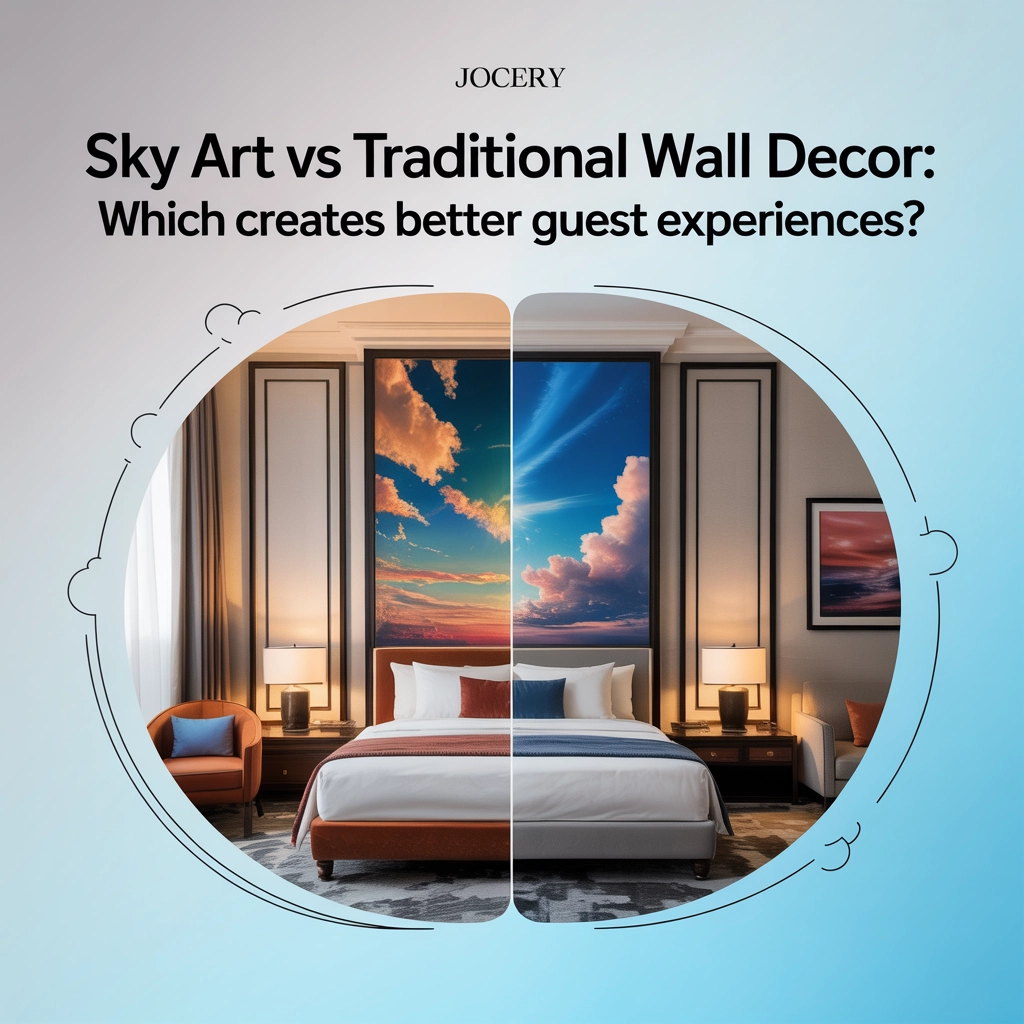
Sky Art vs Traditional Wall Decor: Which Creates Better Guest Experiences?
The choice between sky-themed artwork and traditional wall decor represents one of the most consequential decisions facing hospitality and retail establishments today. This comprehensive analysis examines how each approach influences guest experiences, emotional responses, and overall satisfaction metrics across various business environments.
Understanding the Fundamental Distinctions
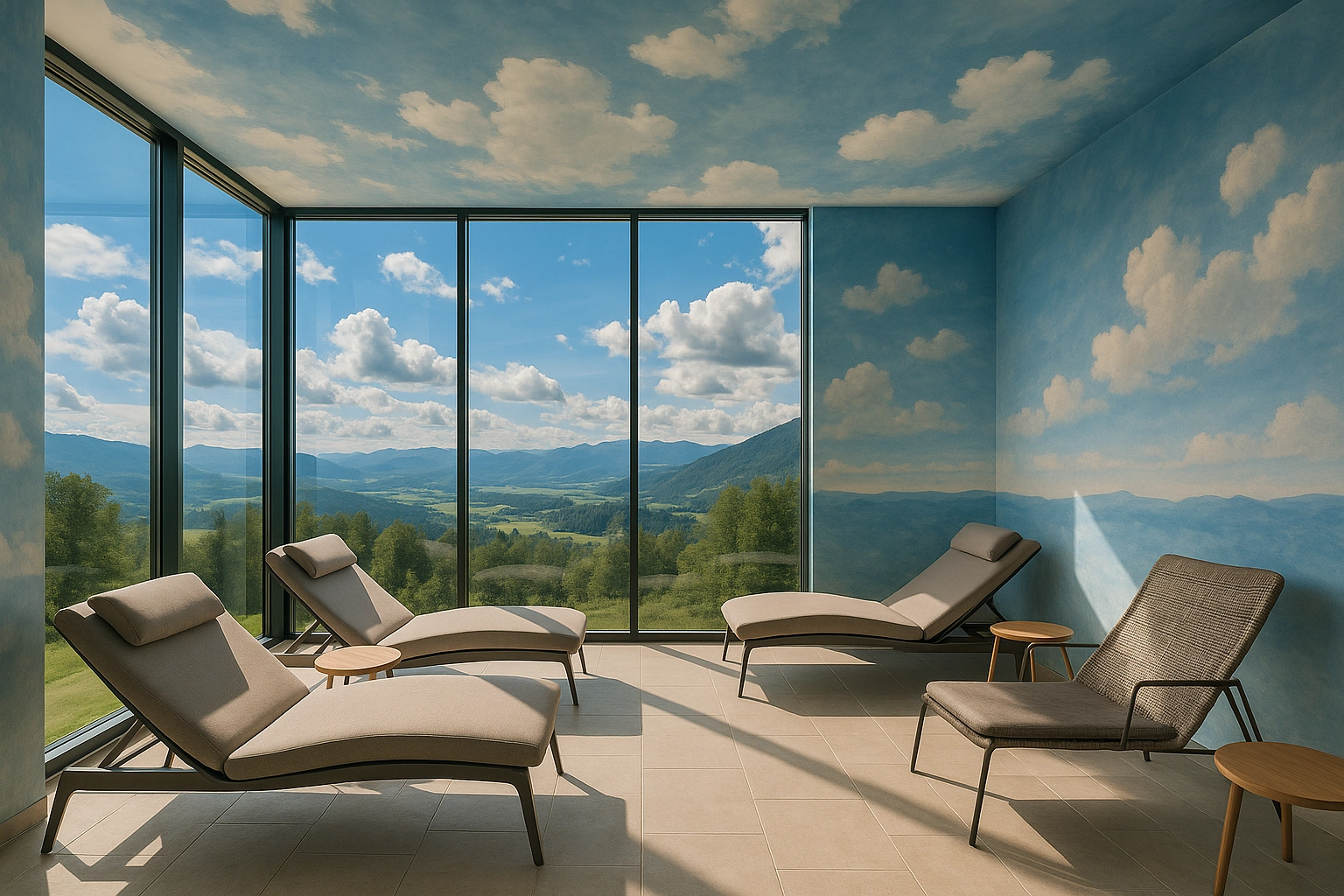
Sky art encompasses celestial themes, atmospheric imagery, cloud formations, and expansive horizons that create visual connections to natural environments. Traditional wall decor includes classical paintings, cultural artifacts, historical reproductions, and region-specific artwork that reflects established aesthetic conventions.
The distinction extends beyond mere visual preferences, encompassing psychological impacts, cultural resonance, and the ability to create memorable experiences that influence guest behavior and return rates.
Psychological Impact on Guest Well-Being
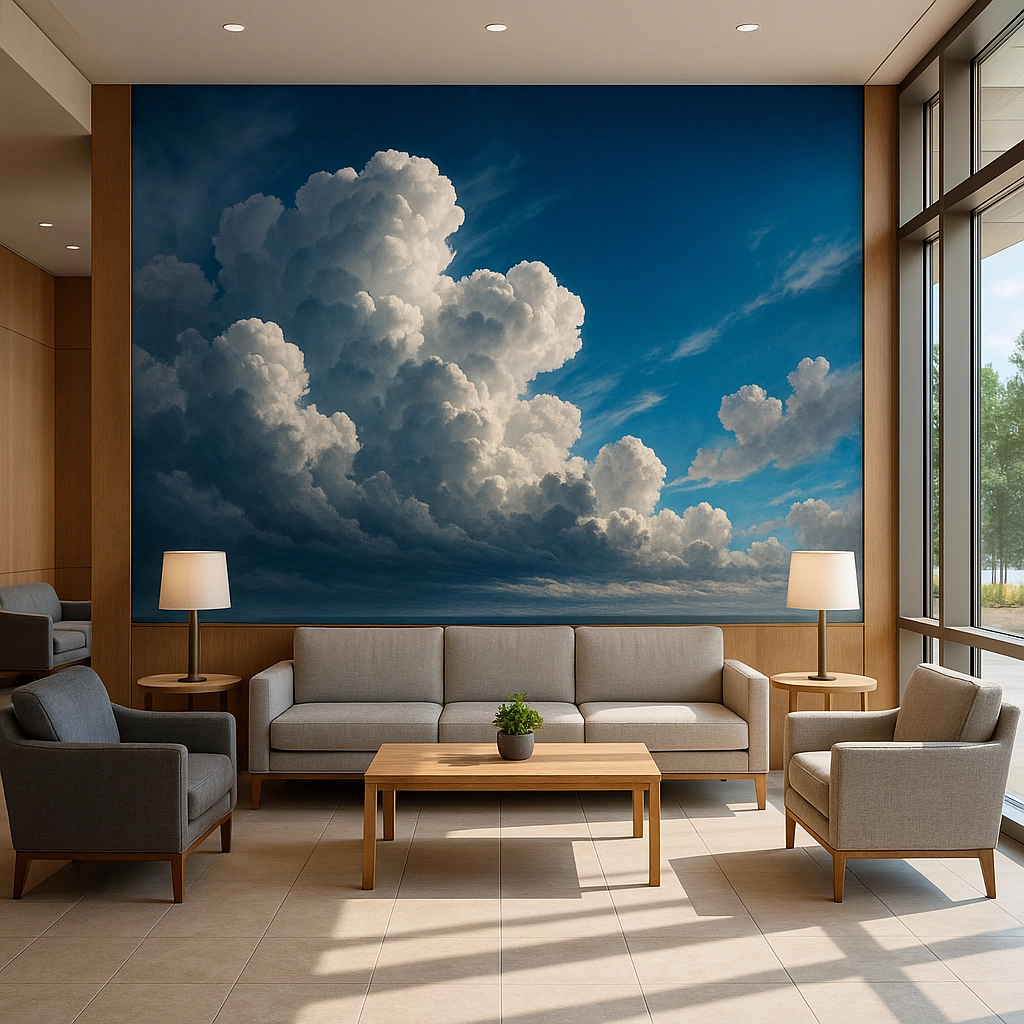
Research demonstrates that visual environments significantly affect emotional well-being and stress reduction among travelers and customers. Sky art naturally promotes feelings of openness, tranquility, and mental expansion through its association with limitless horizons and natural beauty.
The expansive quality inherent in atmospheric imagery creates psychological space that counteracts the confined feeling often experienced in enclosed environments. Guests report heightened sensations of calm and relaxation when surrounded by celestial and sky-themed visuals, contributing to overall satisfaction scores.
Traditional wall decor operates through different psychological mechanisms, primarily evoking familiarity, cultural connection, and historical continuity. These elements provide psychological anchoring that can comfort guests seeking stability and authentic experiences during their travels or shopping experiences.
Creating Sense of Place and Cultural Connection
Traditional wall decor excels in establishing strong cultural narratives and location-specific identities. Hotels and retail establishments utilizing carefully curated traditional pieces create immersive environments that reflect local heritage, artistic traditions, and regional characteristics.
This approach proves particularly effective for establishments positioned as destination experiences, where guests seek authentic cultural immersion. The visual storytelling capacity of traditional artwork enhances perceived value and creates memorable experiences that distinguish one location from standardized commercial environments.
Sky art, while universally appealing, typically lacks the cultural specificity required to create distinctive place-based identities. However, this limitation simultaneously represents an advantage for establishments serving diverse international clienteles, as celestial themes transcend cultural boundaries and appeal to universal human experiences.
Modern Design Integration and Aesthetic Flexibility
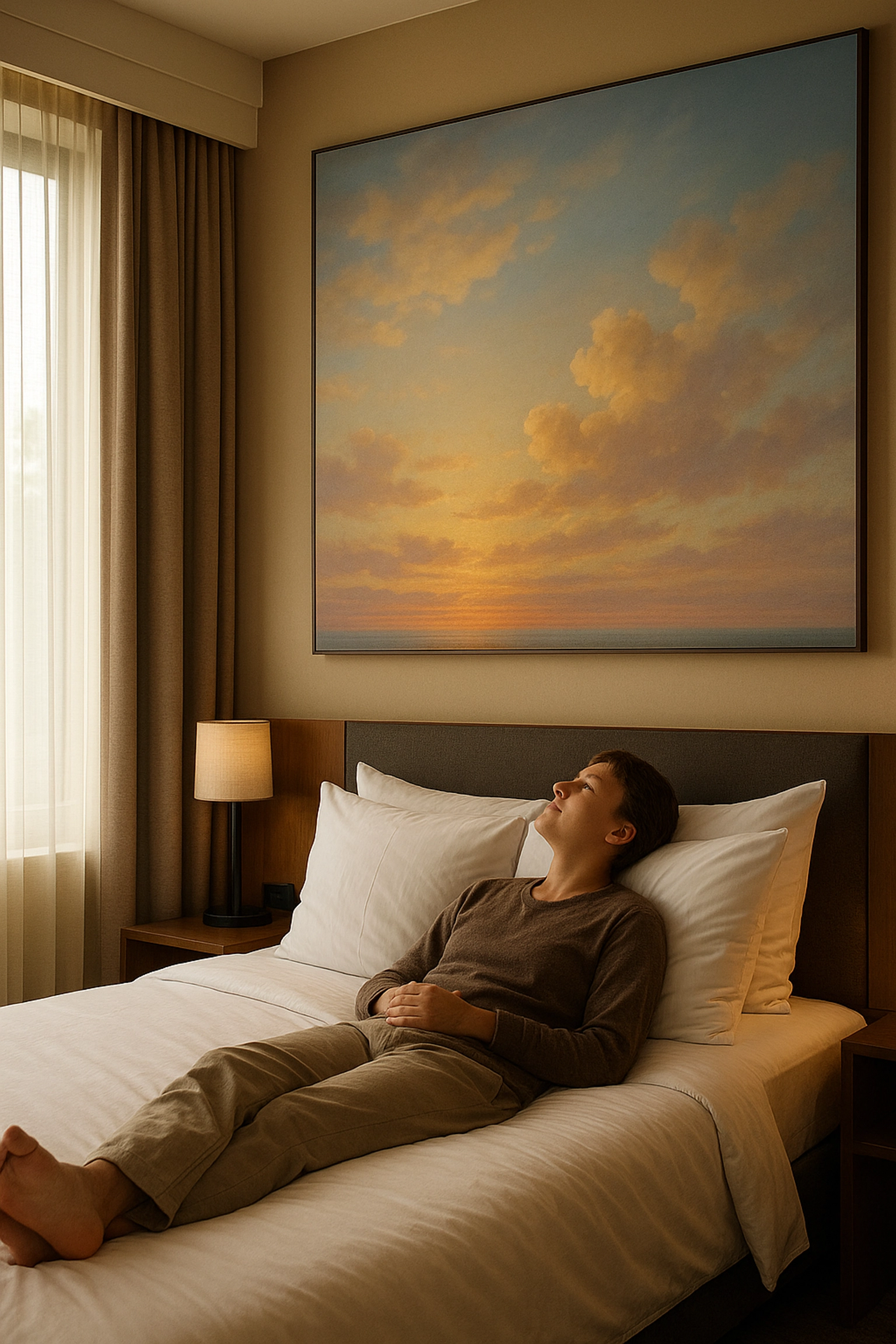
Contemporary hospitality and retail design increasingly favors minimalist aesthetics that emphasize clean lines, open spaces, and uncluttered visual environments. Sky art integrates seamlessly with these modern design principles, providing visual interest without overwhelming contemporary architectural elements.
The neutral color palettes and organic forms typical of atmospheric imagery complement modern furnishing and lighting systems, creating cohesive design environments that feel both sophisticated and approachable.
Traditional wall decor presents greater integration challenges in modern contexts, requiring careful selection and placement to avoid creating visual discord with contemporary design elements. However, when successfully integrated, traditional pieces can provide striking contrast and focal points that enhance overall design sophistication.
Guest Demographics and Preference Patterns
Younger travelers and customers increasingly gravitate toward wellness-focused experiences that promote mental well-being and stress reduction. Sky art aligns naturally with these preferences, supporting the growing emphasis on environments that contribute to personal wellness and mindfulness.
Professional travelers and business guests often prefer calming visual environments that facilitate relaxation after stressful travel experiences. The psychological benefits associated with sky imagery directly address these needs, contributing to higher satisfaction ratings among these demographic segments.
Cultural tourists and luxury travelers typically seek authentic experiences that reflect local character and artistic traditions. Traditional wall decor better serves these preferences by providing the cultural immersion and historical context these guests actively pursue.
Maintenance and Longevity Considerations
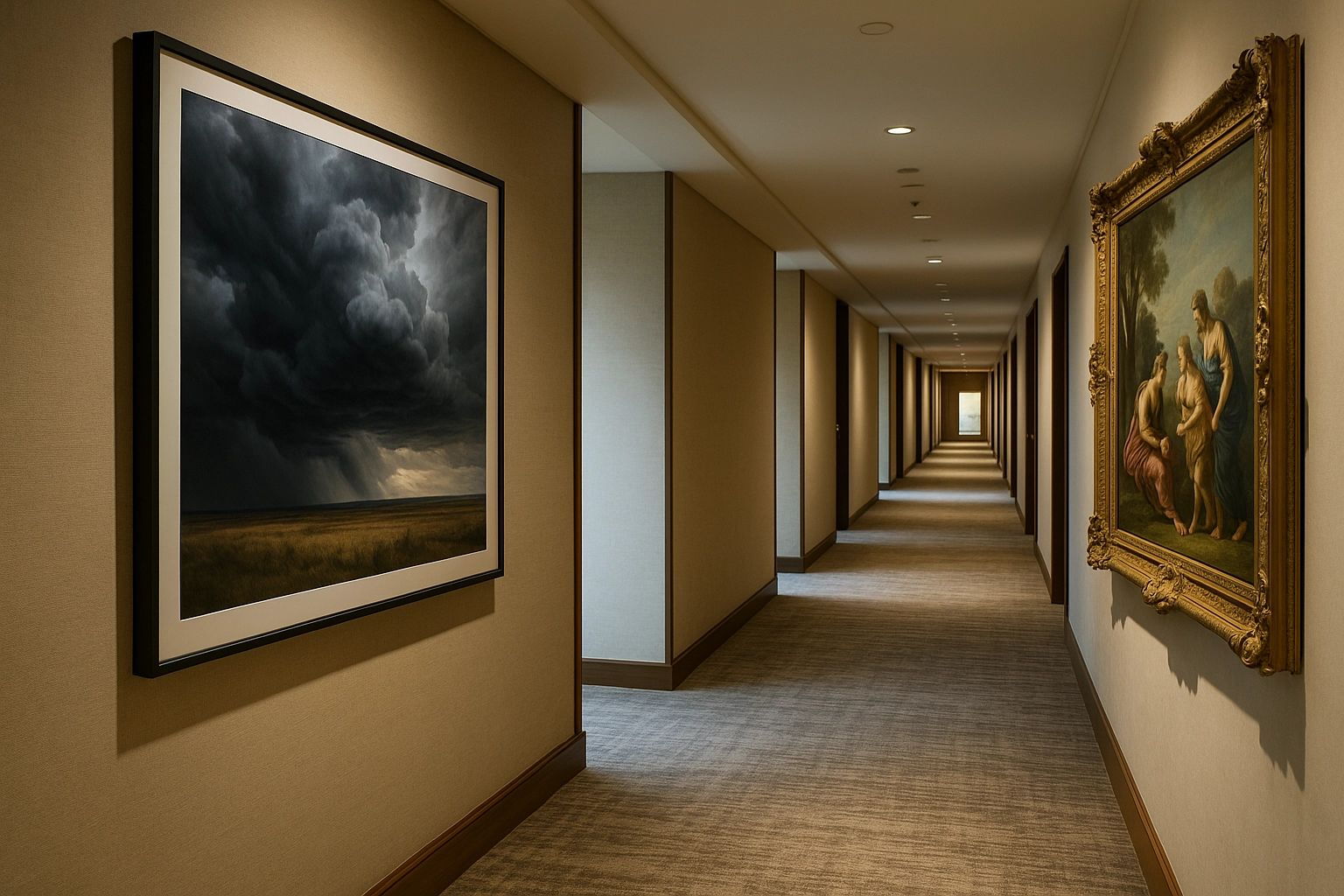
Sky art generally requires less specialized care and presents fewer conservation challenges compared to traditional artwork. Reproductions of atmospheric imagery maintain visual impact over extended periods with standard maintenance protocols, reducing long-term operational costs.
Traditional artwork often requires specialized conservation measures, controlled environmental conditions, and professional restoration services to maintain appearance and value. These requirements increase operational complexity and ongoing expenses that must be factored into total cost calculations.
Spatial Perception and Room Enhancement
The visual properties of sky art create illusions of expanded space that prove particularly valuable in compact environments common in urban hospitality and retail settings. Atmospheric imagery effectively extends perceived boundaries, making rooms feel larger and more comfortable.
Traditional wall decor impacts spatial perception differently, with effects varying significantly based on specific pieces, framing choices, and placement decisions. While some traditional artwork can enhance spatial perception, others may create visual weight that reduces perceived room size.
Brand Identity and Marketing Implications
Establishments utilizing sky art often position themselves within wellness, modern luxury, or contemporary lifestyle segments. This approach supports marketing messages emphasizing relaxation, modernity, and universal appeal that resonates across diverse market segments.
Traditional wall decor supports brand positioning emphasizing authenticity, cultural sophistication, and heritage value. This approach proves particularly effective for establishments targeting luxury markets, cultural tourism, and guests seeking distinctive local experiences.
Practical Implementation Strategies
Successful implementation of sky art requires consideration of lighting conditions, viewing distances, and integration with existing architectural elements. Optimal placement typically involves prominent wall surfaces where the expansive qualities of atmospheric imagery can achieve maximum psychological impact.
Traditional wall decor implementation demands careful attention to cultural authenticity, historical accuracy, and appropriate contextual presentation. Successful installations require expertise in art selection, cultural sensitivity, and professional presentation techniques.
Cost-Benefit Analysis and Return on Investment
Sky art typically presents lower initial acquisition costs and reduced ongoing maintenance expenses compared to authentic traditional artwork. However, the universal nature of atmospheric imagery may provide less competitive differentiation in crowded markets.
Traditional wall decor often requires higher initial investments but can provide significant competitive advantages through unique cultural positioning and enhanced perceived value among target demographics.
Final Recommendations and Strategic Considerations
Establishments prioritizing wellness positioning, modern aesthetics, and broad demographic appeal should consider sky art as their primary visual strategy. This approach proves particularly effective for business hotels, wellness centers, and contemporary retail environments serving diverse international clienteles.
Organizations emphasizing cultural authenticity, luxury positioning, and destination experiences achieve superior results through carefully curated traditional wall decor. This strategy proves most effective for boutique hotels, cultural attractions, and specialty retail establishments targeting sophisticated consumer segments.
The most successful implementations often involve strategic combinations that utilize both approaches within different spaces, creating varied experiences that address diverse guest needs while maintaining overall design coherence and brand consistency.