7 Mistakes You're Making with Hotel Art (and How Sky-Themed Pieces Fix Them)
Hotel art selection represents one of the most overlooked aspects of hospitality design, yet it profoundly influences guest perception and overall experience. Research indicates that thoughtfully curated artwork can increase guest satisfaction ratings by up to 23% while simultaneously reducing perceived noise levels and enhancing the sense of luxury within hospitality environments.
The following analysis examines seven critical mistakes commonly observed in hotel art curation and demonstrates how strategic implementation of sky-themed and celestial artwork provides comprehensive solutions to these recurring design challenges.
Mistake 1: Generic Mass-Produced Prints That Lack Character
The most prevalent error in hotel art selection involves the procurement of generic, mass-produced prints that fail to establish any meaningful connection with guests or reflect the property's unique identity. These uninspiring pieces, often sourced from bulk commercial suppliers, create sterile environments that guests perceive as impersonal and forgettable.
Sky-themed artwork addresses this fundamental flaw by introducing elements of natural wonder and universal appeal that transcend cultural boundaries. Celestial imagery: including cloud formations, starscapes, and atmospheric phenomena: provides guests with a sense of connection to something greater while maintaining broad accessibility across diverse demographics.
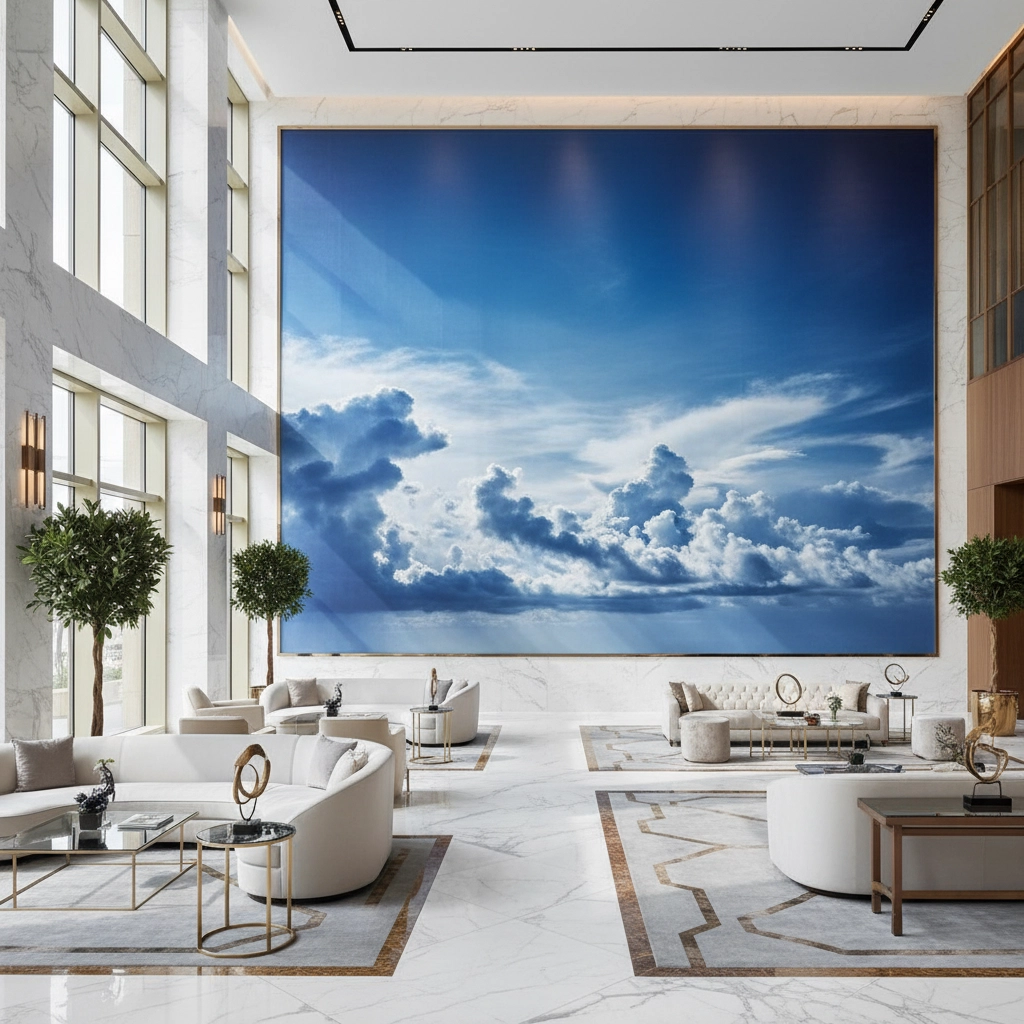
The psychological impact of sky-themed art stems from humanity's intrinsic fascination with celestial bodies and atmospheric conditions, creating immediate emotional resonance that generic prints simply cannot achieve. Properties utilizing carefully selected sky art report measurable improvements in guest feedback scores, particularly in categories related to ambiance and memorable experience.
Mistake 2: Improper Scale and Proportion for Space
Hotels frequently select artwork without considering the relationship between piece dimensions and architectural space, resulting in compositions that appear either overwhelmed by their surroundings or insufficient to command appropriate visual attention. This dimensional mismatch undermines the intended design impact and creates spaces that feel unbalanced or incomplete.
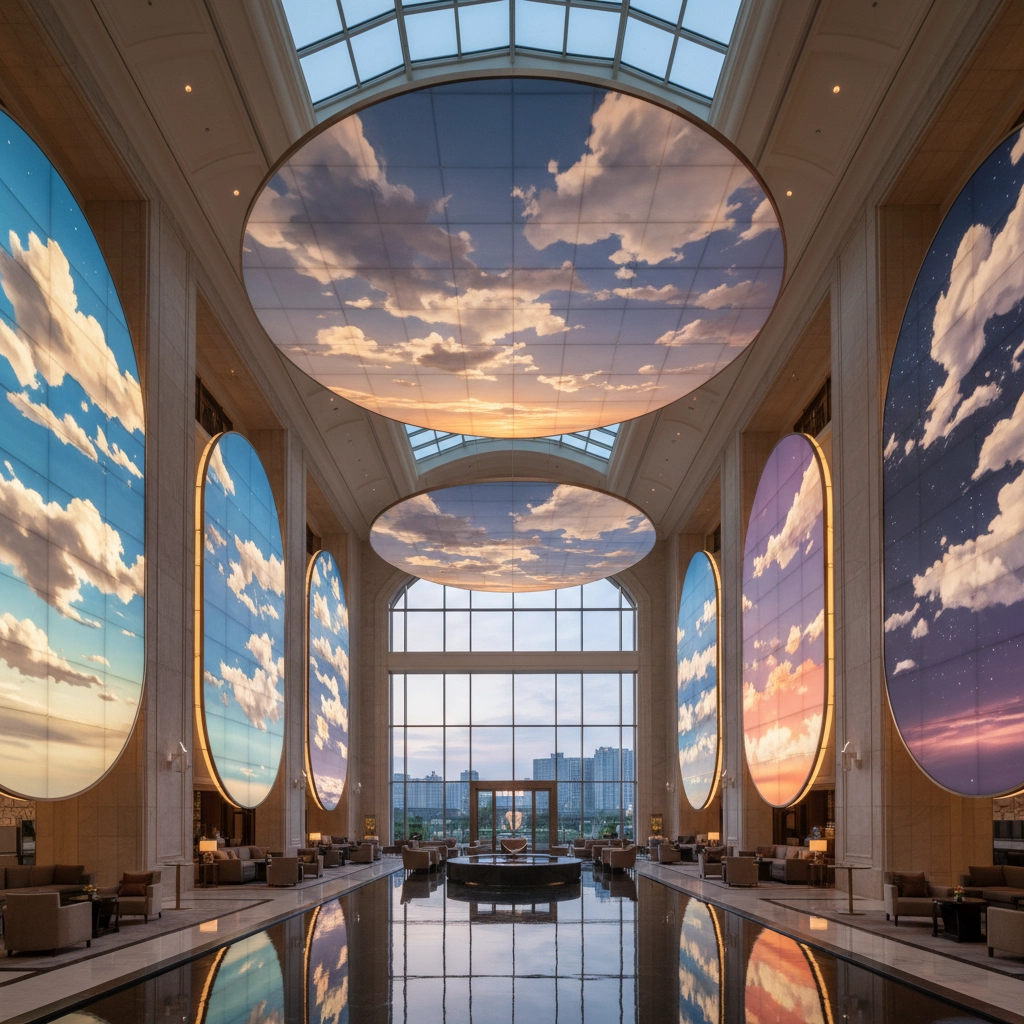
Sky-themed pieces offer inherent scalability advantages due to their natural subject matter. Cloud formations and celestial landscapes can be effectively presented across various dimensions while maintaining visual coherence and impact. Large-format sky art creates dramatic focal points in expansive lobbies and common areas, while smaller celestial pieces provide intimate atmosphere in guest rooms and corridors.
The expansive nature of sky imagery allows for seamless integration with existing architectural elements, whether the space features contemporary minimalism or classical grandeur. This adaptability ensures that scale-appropriate selections enhance rather than compete with the surrounding environment.
Mistake 3: Color Schemes That Clash with Interior Design
Color coordination represents another frequent oversight in hotel art selection, with many properties displaying artwork that creates visual discord with established interior design palettes. These conflicting color schemes produce environments that feel chaotic and unprofessional, negatively impacting guest perception of overall quality and attention to detail.
Sky-themed artwork naturally incorporates versatile color palettes that complement a wide range of interior design schemes. The subtle blues, whites, and grays characteristic of atmospheric imagery provide neutral foundations that enhance rather than compete with existing decor elements. Additionally, dramatic sunset and sunrise scenes offer warm tones that can serve as accent colors within established design frameworks.
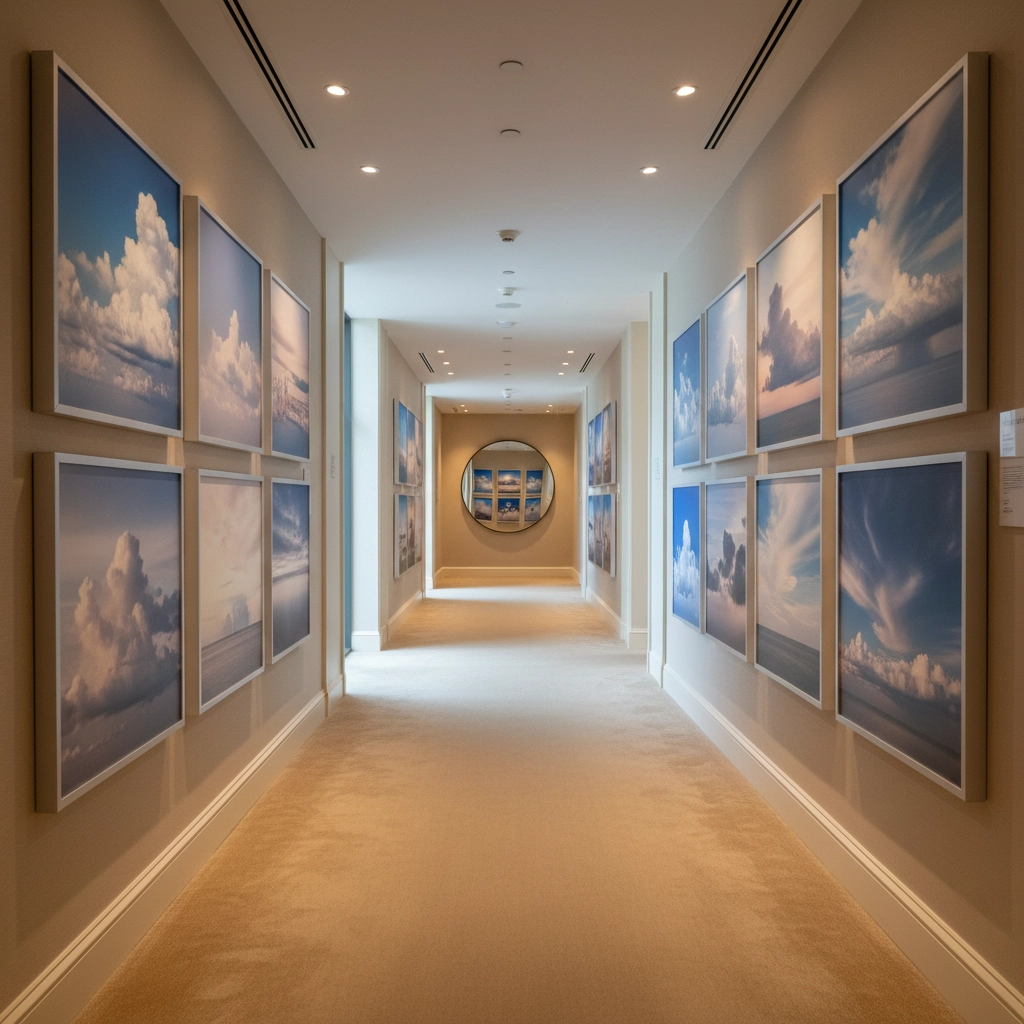
This inherent color versatility allows properties to maintain design consistency across multiple spaces while introducing visual interest through varied celestial themes and compositions. The result is a cohesive aesthetic experience that reinforces brand identity and design sophistication.
Mistake 4: Inappropriate Themes for Target Demographics
Many hotels select artwork without considering their primary guest demographics, resulting in pieces that fail to resonate with intended audiences or, worse, create negative associations that impact satisfaction scores. This disconnect between artistic content and guest expectations undermines the strategic role that curated art should play in hospitality environments.
Sky and celestial themes possess universal appeal that transcends demographic boundaries while maintaining sophistication appropriate for upscale hospitality settings. Business travelers appreciate the calm, contemplative nature of atmospheric imagery, while leisure guests find inspiration in dramatic cloudscapes and starry scenes that evoke feelings of escape and wonder.
The timeless quality of sky-themed art ensures longevity of appeal across changing trends and evolving guest preferences. Unlike trend-dependent contemporary art or culturally specific imagery, celestial themes remain consistently relevant and engaging across diverse international clientele.
Mistake 5: Poor Lighting Integration
Inadequate consideration of lighting conditions represents a critical oversight that diminishes the visual impact of hotel artwork. Many properties install pieces without accounting for natural light variations throughout the day or the quality of artificial illumination, resulting in artwork that appears dull, distorted, or invisible under certain conditions.
Sky-themed artwork demonstrates exceptional responsiveness to varied lighting conditions due to its natural subject matter. Cloud formations and atmospheric scenes appear dynamic under changing light, creating living artworks that evolve throughout the day. Proper illumination of celestial themes enhances their inherent luminosity, creating focal points that draw attention and admiration from guests.
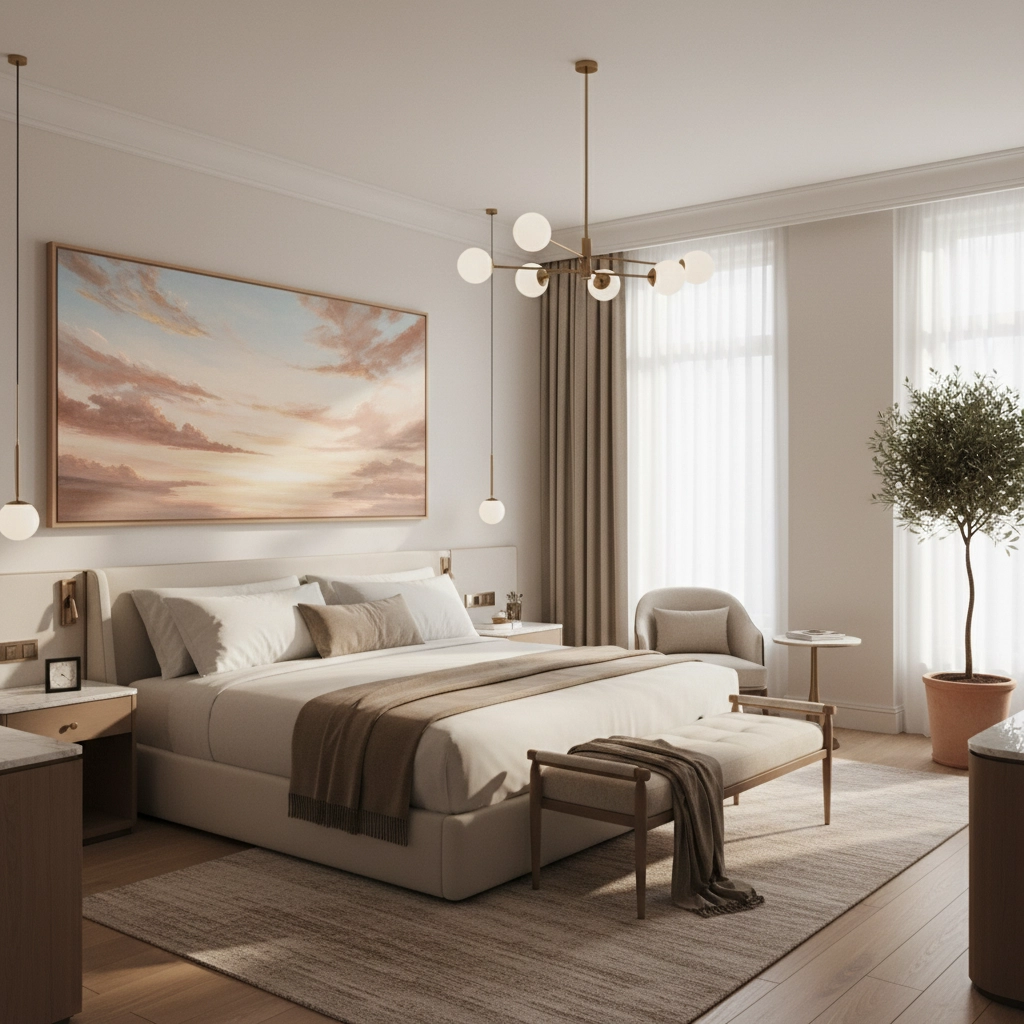
The reflective qualities common in sky art: particularly pieces featuring water reflections or metallic elements: amplify available light within spaces, contributing to brighter, more welcoming environments that require less artificial illumination while maintaining visual impact.
Mistake 6: Failure to Create Cohesive Visual Flow
Hotels often treat art selection as isolated decisions for individual spaces rather than considering the overall visual narrative that guides guests through the property. This fragmented approach results in disconnected experiences that fail to reinforce brand identity or create memorable impressions.
Implementing sky-themed art throughout a property establishes a cohesive visual narrative that connects disparate spaces while maintaining variety and interest. Guests experience a unified journey from arrival through departure, with celestial themes providing continuity while specific pieces offer unique focal points appropriate to each environment.
This approach allows properties to develop signature aesthetic identities that guests associate with positive experiences and remember for future visits. The natural progression from dawn to dusk themes, seasonal atmospheric changes, or geographical sky variations provides frameworks for creating comprehensive art programs that enhance brand recognition.
Mistake 7: Insufficient Consideration of Maintenance and Durability
Many hotels select artwork based solely on aesthetic appeal without considering long-term maintenance requirements or durability in high-traffic environments. This oversight leads to deteriorated pieces that detract from property appearance and require costly replacement or restoration.
High-quality sky-themed artwork, particularly pieces created with archival materials and protective coatings, demonstrates exceptional longevity in hospitality environments. The nature of atmospheric imagery means that minor variations due to environmental factors often enhance rather than detract from overall appeal, as slight color shifts can mirror natural atmospheric changes.
The investment in durable sky art pays dividends through reduced replacement costs and consistent visual quality over extended periods. Properties report satisfaction with sky-themed installations that maintain their impact and appeal years after initial installation, providing superior return on investment compared to less durable alternatives.
Strategic Implementation of Sky-Themed Solutions
The transition from generic hotel art to sophisticated sky-themed curation requires strategic planning and professional guidance. Properties seeking to address these common mistakes benefit from consulting with specialists who understand both hospitality design principles and the unique characteristics of celestial artwork.
Art Clouds provides comprehensive solutions for hotels seeking to implement sky-themed art programs that address these identified challenges while creating distinctive guest experiences. The selection process considers architectural space, target demographics, existing design elements, and long-term maintenance requirements to ensure optimal results.
Successful implementation involves coordinated selection across property zones, from dramatic statement pieces in public areas to subtle atmospheric scenes in private spaces. This comprehensive approach ensures that the benefits of sky-themed art: improved guest satisfaction, enhanced brand identity, and reduced long-term costs: are fully realized throughout the property.
The evidence supports sky-themed artwork as a superior solution to common hotel art mistakes, providing both immediate visual impact and long-term value that traditional generic selections cannot match. Properties that embrace this approach position themselves to deliver memorable experiences that distinguish them within competitive hospitality markets.