
Are You Making These 7 Common Mistakes When Choosing Space Art for Your Business?
The strategic selection of artwork for business environments represents a critical component of spatial design that directly influences employee productivity, client perception, and brand representation. However, numerous organizations consistently commit fundamental errors when curating their workspace aesthetics, resulting in environments that fail to achieve their intended objectives.
Understanding these common pitfalls enables business leaders to make informed decisions that enhance both the functional and aesthetic dimensions of their commercial spaces. The following analysis examines seven prevalent mistakes that compromise the effectiveness of space art selection in professional environments.
Mistake 1: Ignoring Scale and Proportion Fundamentals
The most pervasive error in commercial art selection involves the fundamental misunderstanding of scale and proportion relationships within designated spaces. Organizations frequently select artwork without considering the dimensional requirements of their specific environments, resulting in pieces that appear either overwhelmingly large or insignificantly small relative to their surroundings.
Professional designers consistently recommend that artwork should occupy approximately two-thirds of the total width of furniture beneath it or the wall space designated for display. This proportion creates visual harmony and ensures that the artwork integrates seamlessly with existing architectural elements rather than competing with them.
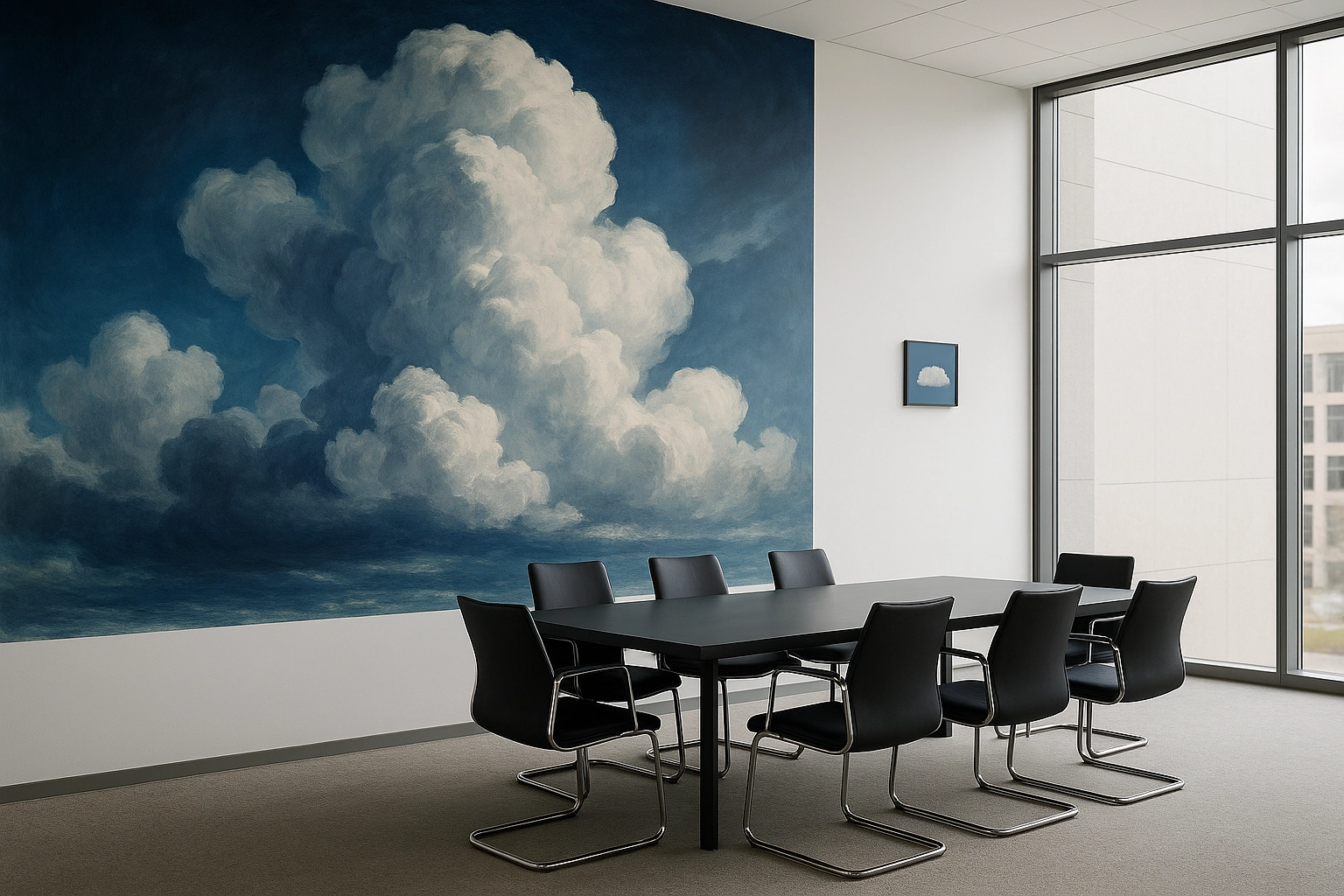
Large-scale pieces positioned in confined areas create an oppressive atmosphere that can negatively impact employee comfort and productivity. Conversely, undersized artwork in expansive spaces becomes virtually invisible, failing to contribute meaningfully to the overall aesthetic experience. The psychological impact of poorly scaled artwork extends beyond mere visual discomfort, as employees and visitors subconsciously respond to spatial imbalances through decreased satisfaction with the environment.
Organizations must conduct thorough spatial assessments before artwork acquisition, measuring wall dimensions and considering furniture placement to ensure appropriate scale relationships. This preliminary evaluation prevents costly mistakes and ensures that artistic investments achieve their intended impact.
Mistake 2: Disregarding Workspace Layout and Functionality
The failure to consider operational workflow and functional requirements when positioning artwork represents another significant oversight in commercial space design. Many businesses treat art placement as an afterthought rather than integrating it into their comprehensive spatial planning strategies.
Artwork placement must complement daily operational activities without creating obstructions or distractions that impede productivity. Conference rooms, for example, require different artistic considerations than collaborative workspaces or individual focus areas. The height and positioning of artwork should facilitate rather than hinder the intended use of each space.
Strategic placement considerations include sight lines, traffic flow patterns, and the specific activities conducted in each area. Artwork positioned too high can feel imposing and create psychological pressure, while pieces hung at inappropriate heights may interfere with furniture functionality or create visual conflicts with existing design elements.
Mistake 3: Creating Chaotic Spacing in Multi-Piece Displays
When organizations choose to display multiple artwork pieces together, inadequate spacing planning frequently undermines the visual impact of the entire collection. The tendency to space pieces too far apart creates a fragmented appearance that lacks cohesion and professional polish.
Multiple artwork pieces should function as a unified visual unit, with consistent spacing of approximately three to six inches between individual elements. This approach creates a gallery-like presentation that enhances the perceived value and impact of the entire collection.

Inconsistent spacing patterns communicate a lack of attention to detail and can undermine the professional credibility that businesses seek to establish through their environmental design choices. The cumulative effect of poorly spaced artwork contributes to an overall impression of carelessness that may extend to client perceptions of business operations and quality standards.
Organizations investing in multiple pieces must treat the arrangement as a single design element, planning the entire composition before installation to ensure optimal visual impact and professional presentation.
Mistake 4: Overlooking Color Psychology Implications
The psychological impact of color selection in commercial environments extends far beyond aesthetic preferences, directly influencing employee performance, client comfort, and overall business outcomes. Many organizations select artwork based solely on visual appeal without considering the behavioral and emotional responses that different color palettes generate.
Research demonstrates that specific colors can enhance focus and productivity while others may create anxiety or distraction in professional settings. Jarring or overly stimulating colors in spaces designed for concentration can significantly impair cognitive performance, while appropriately selected palettes can enhance creativity and collaboration.
The integration of artwork colors with existing environmental elements requires careful consideration of the psychological atmosphere that businesses wish to create. Client-facing areas may benefit from colors that convey trust and stability, while creative workspaces might incorporate more energizing hues that stimulate innovation and collaboration.
Organizations must evaluate their specific operational requirements and desired outcomes when making color-related decisions, ensuring that artistic choices support rather than undermine their business objectives.
Mistake 5: Misaligning Artistic Choices with Brand Identity
Perhaps the most strategically damaging mistake involves selecting artwork that fails to reflect or actively contradicts the organization's brand identity and core values. This misalignment creates confusion among employees and clients regarding the company's professional identity and market positioning.
Artwork serves as a powerful communication tool that conveys messages about organizational culture, values, and aspirations. Pieces that conflict with brand identity can undermine marketing efforts and create cognitive dissonance among stakeholders who interact with the business environment.

The selection process must incorporate comprehensive brand analysis to ensure that artistic choices reinforce rather than dilute the intended corporate message. This alignment extends beyond obvious visual elements to include the emotional resonance and cultural associations that different artistic styles and subjects evoke.
Organizations should develop clear artistic guidelines that reflect their brand personality and ensure consistent application across all business locations and departments. This systematic approach creates a cohesive brand experience that strengthens organizational identity and market recognition.
Mistake 6: Prioritizing Trends Over Timeless Appeal
The temptation to select trendy or fashionable artwork often results in spaces that quickly become dated and fail to provide lasting value. While contemporary styles may initially create visual interest, their rapid obsolescence can necessitate frequent and costly replacements.
Sustainable artistic investments focus on timeless qualities that maintain their relevance and appeal over extended periods. This approach provides better financial returns and ensures that the business environment remains current without requiring constant updates.
The evaluation of artistic longevity requires consideration of both stylistic trends and the specific context of the business environment. Classic approaches to composition, color, and subject matter typically demonstrate greater staying power than highly specific contemporary references.
Organizations should balance contemporary relevance with enduring appeal, selecting pieces that will continue to serve their intended purpose as business contexts and aesthetic preferences evolve over time.
Mistake 7: Mismatching Orientation with Spatial Requirements
The failure to consider the relationship between artwork orientation and wall dimensions represents a fundamental design oversight that compromises the visual effectiveness of artistic installations. This mismatch creates awkward proportional relationships that detract from both the artwork and the surrounding environment.
Landscape-oriented pieces complement wide wall spaces and help create horizontal visual flow, while portrait-oriented artwork suits narrow walls and enhances vertical spatial perception. The strategic matching of orientation to spatial characteristics optimizes the visual impact of artistic investments.
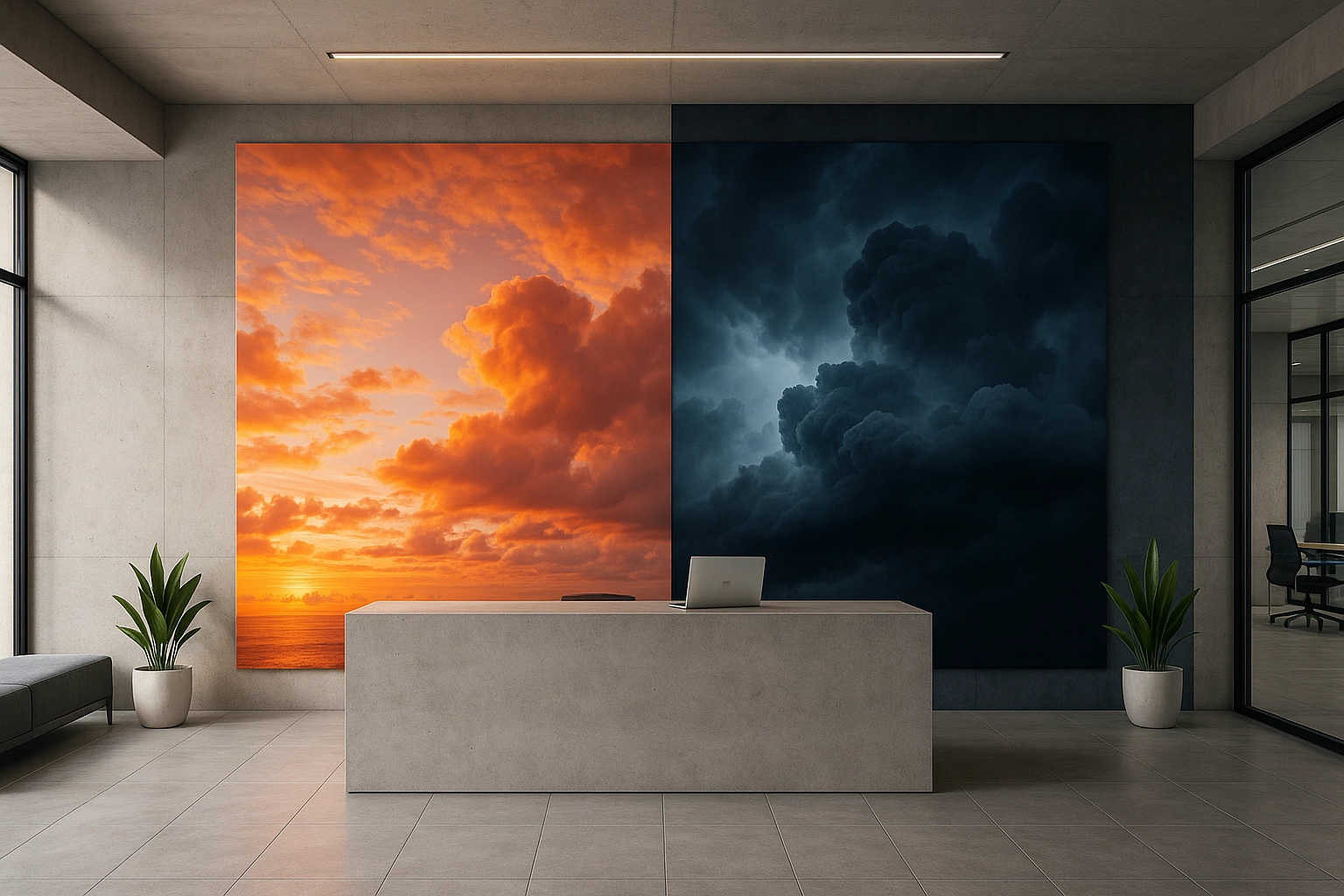
This consideration extends beyond simple dimensional relationships to include the psychological effects of different orientations on space perception. Horizontal pieces can make spaces feel wider and more expansive, while vertical artwork can increase the perceived height of rooms and create more formal atmospheres.
Organizations must evaluate their spatial characteristics and desired psychological effects when selecting artwork orientation, ensuring that their choices enhance rather than compromise their environmental objectives.
Implementation Strategies for Successful Art Selection
The avoidance of these common mistakes requires systematic planning and professional evaluation of both artistic options and spatial requirements. Organizations benefit from developing comprehensive selection criteria that address scale, functionality, brand alignment, and long-term value considerations.
Professional consultation can provide valuable expertise in navigating the complex relationships between artistic choices and business objectives. Interior designers and art consultants bring specialized knowledge that helps organizations avoid costly mistakes while maximizing the impact of their artistic investments.
The development of organizational guidelines for art selection ensures consistency across multiple locations and departments while providing clear criteria for future acquisitions. These guidelines should address both aesthetic preferences and functional requirements specific to different operational areas.
Regular evaluation of existing artistic installations allows organizations to identify areas for improvement and ensure that their environments continue to support evolving business objectives and employee needs.